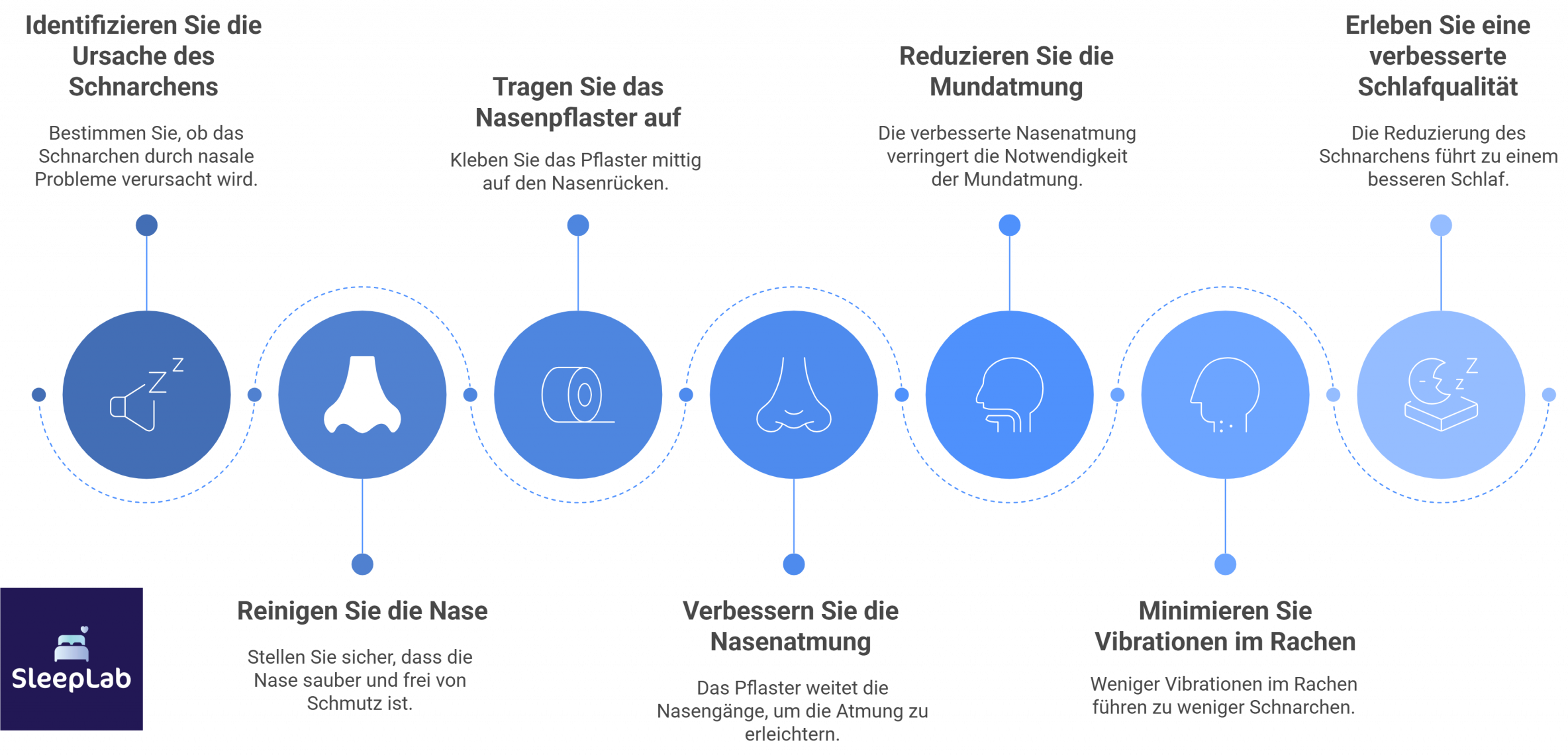
Snoring is far more than just an annoying nocturnal noise; it's a widespread issue that can significantly impact sleep quality for both the snorer and their bed partner. While often dismissed as a mere nuisance, snoring can be a symptom of underlying health issues and can lead to chronic fatigue, irritability, and even serious cardiovascular problems. Fortunately, a multitude of strategies exist to tackle this problem head-on, offering a beacon of hope for restless nights. This article delves deeper into comprehensive approaches, from advanced lifestyle modifications to medical interventions, providing actionable insights into effective Schnarchen Hilfe (snoring help).
Understanding the Root Causes of Snoring
Before diving into solutions, it's crucial to understand why snoring occurs. Snoring is essentially the sound produced by obstructed air movement during sleep. When you sleep, the muscles in your throat and tongue relax. If they relax too much, or if your airway is already narrow, the air you breathe causes the soft tissues in your throat (like the soft palate, uvula, and tonsils) to vibrate. The narrower the airway, the more forceful the vibration, and the louder the snore.
Several factors can contribute to this airway narrowing and increased vibration:
- Anatomical Factors: Enlarged tonsils or adenoids, a long soft palate, a large tongue, a deviated septum, or narrow nasal passages can predispose individuals to snoring.
- Lifestyle Choices:
- Obesity: Excess fatty tissue around the neck can narrow the airway.
- Alcohol Consumption: Alcohol acts as a muscle relaxant, causing throat muscles to relax excessively.
- Smoking: Irritates the lining of the throat and nasal passages, leading to inflammation and swelling.
- Sedative Medications: Similar to alcohol, these can over-relax throat muscles.
- Sleep Position: Sleeping on your back often causes the tongue to fall back into the throat, obstructing the airway.
- Nasal Congestion: Allergies, colds, or sinus infections can block nasal passages, forcing mouth breathing, which is more prone to snoring.
- Sleep Apnea: Snoring is a primary symptom of obstructive sleep apnea (OSA), a serious condition where breathing repeatedly stops and starts during sleep.
Identifying the primary causes unique to an individual is the first, crucial step toward finding effective Schnarchen Hilfe. For a foundational understanding of initial steps you can take, refer to Schnarchen Hilfe - Article 1.
Advanced Home Remedies and Lifestyle Adjustments for Schnarchen Hilfe
While some snoring causes require medical intervention, many individuals can find significant relief through consistent lifestyle changes and advanced home remedies. These strategies often target the common culprits of airway obstruction and muscle relaxation.
- Weight Management: If you are overweight or obese, losing even a small amount of weight can make a big difference. Reducing excess fat around the neck can help open up the airway and lessen the vibration of tissues. Focus on a balanced diet rich in fruits, vegetables, and lean proteins, combined with regular physical activity.
- Optimizing Sleep Position:
- Side Sleeping: Sleeping on your side is often the most effective positional therapy. You can encourage this by sewing a tennis ball into the back of your pajama top, using a specialized body pillow, or positioning pillows strategically to prevent rolling onto your back.
- Elevating Your Head: Raising the head of your bed by a few inches (e.g., with bed risers or a wedge pillow) can help keep your airway open and reduce the chances of your tongue falling back.
- Nasal Care and Decongestion:
- Nasal Strips or Dilators: These over-the-counter devices physically widen the nasal passages, improving airflow and reducing the need for mouth breathing.
- Saline Nasal Sprays/Rinses: Regular use can clear allergens and irritants, reducing congestion.
- Humidifiers: If dry air is contributing to nasal dryness or throat irritation, a humidifier can help keep airways moist.
- Strategic Avoidance:
- Limit Alcohol and Sedatives Before Bed: Avoid these substances for at least 3-4 hours before sleep to prevent excessive muscle relaxation in the throat.
- Quit Smoking: Smoking cessation can significantly reduce inflammation and irritation in the airways over time, improving airflow and reducing snoring.
- Throat and Tongue Exercises: Specific exercises, often recommended by speech therapists, can strengthen the muscles in the throat and tongue, making them less likely to relax and obstruct the airway during sleep. Examples include tongue sliding, soft palate lifts, and repeating vowel sounds.
Consistency is key when implementing these home remedies. Many people find a combination of strategies to be most effective for lasting Schnarchen Hilfe.
When Professional Intervention Becomes Necessary: Medical Schnarchen Hilfe
While lifestyle adjustments and home remedies are excellent first steps, some individuals may require professional medical assessment and treatment, especially if snoring is severe, persistent, or accompanied by symptoms of sleep apnea. If you've already explored various over-the-counter options and lifestyle changes as discussed in Schnarchen Hilfe - Article 2, and are still struggling, professional consultation is the next logical step.
Oral Appliances
Custom-fitted oral appliances, provided by dentists, are a popular and effective form of Schnarchen Hilfe for many. These devices work by repositioning the jaw or tongue to keep the airway open during sleep. There are two main types:
- Mandibular Advancement Devices (MADs): These devices snap over the upper and lower teeth and gently push the lower jaw and tongue forward. This action expands the space behind the tongue and soft palate, preventing airway collapse.
- Tongue Retaining Devices (TRDs): TRDs use suction to hold the tongue in a forward position, preventing it from falling back into the throat.
Both types require professional fitting to ensure comfort and effectiveness.
CPAP Therapy
For individuals diagnosed with obstructive sleep apnea, Continuous Positive Airway Pressure (CPAP) therapy is often the gold standard treatment. A CPAP machine delivers a constant stream of air through a mask worn over the nose or nose and mouth, creating enough air pressure to keep the airway open and prevent pauses in breathing. While it takes some getting used to, CPAP therapy is highly effective in eliminating snoring and improving overall health for OSA sufferers.
Surgical Options
Surgery is typically considered when other treatments have failed or in cases of significant anatomical abnormalities. Surgical procedures aim to remove or reshape tissue in the throat or nose to open the airway. Options include:
- Uvulopalatopharyngoplasty (UPPP): Removes excess tissue from the soft palate and uvula, and sometimes the tonsils and adenoids.
- Laser-Assisted Uvulopalatoplasty (LAUP): Uses a laser to remove portions of the soft palate and uvula.
- Radiofrequency Ablation (RFA): Uses radiofrequency energy to stiffen and reduce the volume of tissue in the soft palate or tongue.
- Pillar Procedure: Involves inserting small polyester rods into the soft palate to stiffen it.
- Septoplasty/Turbinate Reduction: Corrects a deviated septum or reduces enlarged turbinates to improve nasal airflow.
Surgical decisions are made in consultation with an ENT specialist (Ear, Nose, and Throat doctor) after thorough evaluation.
Holistic Approaches and Future Trends in Schnarchen Hilfe
Beyond traditional medical interventions, an increasing number of individuals are exploring holistic strategies and emerging technologies to combat snoring. These complementary approaches often focus on strengthening the airway or leveraging smart devices for personalized solutions.
Complementary Therapies
- Yoga and Breathing Exercises: Regular practice of yoga, particularly poses that strengthen throat and neck muscles, can contribute to better muscle tone. Specific breathing exercises (pranayama) can also improve respiratory control and airflow.
- Myofunctional Therapy: This involves specific exercises designed to strengthen the muscles of the tongue, soft palate, and throat. A therapist guides patients through routines that can reduce snoring severity over time by improving muscle tone and function.
- Acupuncture and Herbal Remedies: While scientific evidence is less robust for these methods in treating snoring, some individuals report relief. Certain herbal teas or essential oils (e.g., peppermint, eucalyptus for congestion) might offer symptomatic relief for nasal issues contributing to snoring. Always consult a healthcare provider before trying new remedies, especially if you have underlying conditions.
Emerging Technologies
The field of Schnarchen Hilfe is continually evolving, with technology playing an increasingly significant role:
- Smart Pillows and Wearable Devices: These devices can detect snoring and gently adjust your head position or vibrate to prompt you to change position, often without fully waking you. Wearable rings or watches can track sleep patterns and snoring levels, providing data for analysis.
- Apps and AI-Powered Solutions: Smartphone apps can record and analyze snoring patterns, offering insights into triggers and effectiveness of remedies. Some even integrate AI to provide personalized recommendations.
- Targeted Nerve Stimulation: Newer, less invasive procedures are being developed that involve stimulating nerves controlling the tongue or throat muscles to keep them active during sleep, preventing collapse. These are still largely in research phases or for specific indications like moderate to severe sleep apnea.
Adopting a multi-faceted approach, combining proven methods with innovative solutions, offers the best chance for long-term Schnarchen Hilfe and the restoration of peaceful, restorative sleep.
Conclusion
The journey to overcome snoring can involve a range of strategies, from simple lifestyle tweaks to advanced medical procedures. There is no one-size-fits-all solution, but the good news is that effective Schnarchen Hilfe is within reach for almost everyone. By understanding the underlying causes, diligently implementing appropriate home remedies, and not hesitating to seek professional medical advice when necessary, you can significantly improve your sleep quality and overall well-being. Don't underestimate the impact of snoring on your health; taking proactive steps now can lead to quieter nights, more energetic days, and a vastly improved quality of life for you and your loved ones.