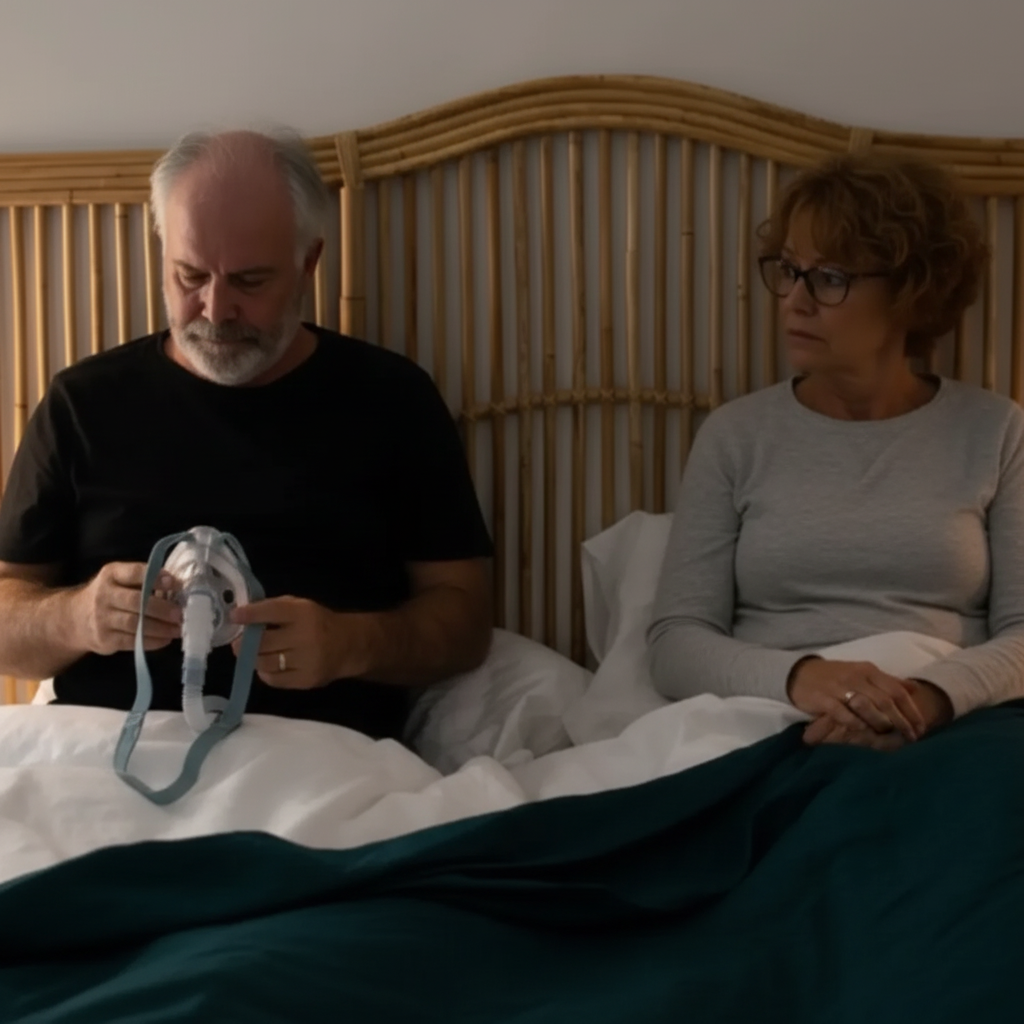
Snoring is a common nocturnal phenomenon, often dismissed as a mere annoyance. However, for many, it's a disruptive force, impacting sleep quality for both the snorer and their bed partner. Beyond the noise, snoring can also be an indicator of underlying health issues. Fortunately, a wide range of effective strategies and treatments exist to provide much-needed Schnarchen Hilfe (snoring help). This comprehensive guide aims to shed light on why we snore, what solutions are available, and when it’s time to seek professional advice to improve your nights and overall well-being.
Understanding Snoring: Why Do We Snore?
To effectively find Schnarchen Hilfe, it’s crucial to understand the mechanics behind it. Snoring occurs when the flow of air through the mouth and nose is obstructed. During sleep, the muscles in the back of your throat, tongue, and roof of your mouth (soft palate) relax. This relaxation can cause these tissues to narrow the airway. As you breathe, the air forcefully pushes through this narrowed passage, causing the relaxed tissues to vibrate, producing the characteristic snoring sound.
Several factors can contribute to this airway obstruction:
- Anatomical Features: A low, thick soft palate, enlarged tonsils, a long uvula (the dangling tissue in the back of your throat), or a deviated septum can narrow the airway.
- Alcohol Consumption and Sedatives: These substances relax the throat muscles excessively, making snoring more likely.
- Weight: Being overweight or obese can lead to extra tissue in the throat, which narrows the airway.
- Nasal Problems: Chronic nasal congestion from allergies or a cold, or structural issues like polyps, can force breathing through the mouth, contributing to snoring.
- Sleep Position: Sleeping on your back often causes the tongue to fall back into the throat, narrowing the airway.
- Age: As we age, our throat muscles tend to lose tone, increasing the likelihood of snoring.
Identifying the primary cause of your snoring is the foundational step towards finding the most effective Schnarchen Hilfe tailored to your specific situation.
Lifestyle Changes for Effective Schnarchen Hilfe
For many individuals, simple yet impactful lifestyle adjustments can significantly reduce or even eliminate snoring. These natural approaches are often the first line of defense in seeking Schnarchen Hilfe.
Weight Management
Even a modest amount of weight loss can make a big difference. Excess weight, particularly around the neck, can compress the internal diameter of the throat, making it more prone to collapse during sleep. Engaging in regular exercise and maintaining a balanced diet can lead to significant improvements.
Reduce Alcohol and Sedative Intake
Avoid alcohol and sedatives, especially in the hours leading up to bedtime. These substances depress the central nervous system, causing the muscles in your throat to relax more than usual, exacerbating snoring. Aim to stop consuming alcohol at least 3-4 hours before sleep.
Change Your Sleep Position
Sleeping on your side can prevent your tongue and soft palate from falling back into your throat and obstructing your airway. Consider using a body pillow or even sewing a tennis ball into the back of your pajama top to discourage sleeping on your back. Special anti-snoring pillows are also designed to encourage side sleeping and maintain proper head and neck alignment. For more in-depth strategies on how lifestyle can influence sleep and snoring, you might find valuable insights in Schnarchen Hilfe - Article 2.
Improve Nasal Passages
If your snoring is primarily due to nasal congestion, try opening your nasal passages. This can be achieved through:
- Nasal Strips: These adhesive strips can be applied to the bridge of the nose to gently pull the nostrils open, improving airflow.
- Nasal Sprays: Saline nasal sprays can help clear congestion, especially before bed. For allergy-related congestion, antihistamines or corticosteroid nasal sprays might be recommended by a doctor.
Quit Smoking
Smoking irritates the membranes in the nose and throat, leading to inflammation and swelling, which can narrow the airway. Quitting smoking is one of the most beneficial steps you can take for overall health, including reducing snoring.
Over-the-Counter Solutions and Devices for Schnarchen Hilfe
When lifestyle changes aren't enough, various over-the-counter products and devices can offer effective Schnarchen Hilfe. These options target different aspects of the snoring mechanism.
Nasal Dilators and Strips
As mentioned, these are excellent for addressing snoring caused by nasal obstruction.
- External Nasal Strips: Applied to the outside of the nose, they mechanically open nasal passages.
- Internal Nasal Dilators: Small devices inserted into the nostrils to keep them open.
Anti-Snoring Mouthpieces (Mandibular Advancement Devices - MADs)
These are perhaps one of the most effective non-prescription solutions. MADs work by gently pushing your lower jaw and tongue forward, which tightens the soft tissues and muscles in the upper airway, preventing obstruction.
- Boil-and-Bite Devices: Available online or in pharmacies, these can be customized at home by heating them in water and biting down to create an impression of your teeth.
- Custom-Fitted Devices: While more expensive, these are prescribed and fitted by a dentist and offer superior comfort and effectiveness.
Throat Sprays and Lubricants
Some sprays are designed to lubricate the throat tissues, theoretically reducing the vibrations that cause snoring. While they may offer temporary relief for some, their long-term efficacy can vary.
Specialized Anti-Snoring Pillows
These pillows are contoured to support the neck and head in a position that encourages an open airway, often by promoting side sleeping or preventing the head from tilting back too far. For a deeper dive into these and other more advanced anti-snoring tools and medical interventions, check out Schnarchen Hilfe - Article 3.
When to Seek Professional Medical Schnarchen Hilfe
While many cases of snoring are benign, it's crucial to recognize when snoring could be a symptom of a more serious underlying condition, particularly sleep apnea. If you experience any of the following symptoms alongside snoring, it's time to consult a doctor for professional Schnarchen Hilfe:
- Loud, persistent snoring that is frequently interrupted by pauses in breathing (witnessed by a partner).
- Gasping or choking sounds during sleep.
- Excessive daytime sleepiness, regardless of how much sleep you got.
- Morning headaches.
- Difficulty concentrating or memory problems.
- Irritability or mood changes.
- High blood pressure.
Diagnosing Sleep Apnea
If sleep apnea is suspected, your doctor will likely recommend a sleep study (polysomnography), which can be done at home or in a sleep lab. This study monitors your breathing, heart rate, brain activity, and oxygen levels during sleep to accurately diagnose the condition.
Medical Treatments for Snoring and Sleep Apnea
Depending on the diagnosis, professional medical Schnarchen Hilfe can include:
- Continuous Positive Airway Pressure (CPAP): This is the most common and effective treatment for obstructive sleep apnea. A machine delivers a continuous stream of air through a mask worn during sleep, keeping the airway open.
- Custom Oral Appliances: Dentists can fit custom-made MADs that are more precise and comfortable than over-the-counter versions, often covered by insurance for sleep apnea.
- Surgery: In some cases, surgical procedures may be an option to correct anatomical issues. These can include:
- Uvulopalatopharyngoplasty (UPPP): Removes excess tissue from the throat and soft palate.
- Radiofrequency Tissue Ablation: Uses radiofrequency energy to shrink tissues in the soft palate, tongue, or nose.
- Maxillomandibular Advancement: Moves the jaw bones forward to enlarge the airway.
- Pillar Procedure: Involves inserting small polyester rods into the soft palate to stiffen it and reduce vibration.
Conclusion
Snoring, while often seen as a minor inconvenience, can significantly impact sleep quality and overall health. The good news is that a wide array of options for Schnarchen Hilfe are available, ranging from simple lifestyle adjustments to advanced medical interventions. By understanding the causes of your snoring and exploring the solutions discussed—from managing weight and changing sleep positions to utilizing anti-snoring devices and, if necessary, seeking professional medical advice—you can take significant steps toward quieter nights and better health. Don't let snoring dictate your sleep; proactively seek the help you need for restful, restorative sleep.